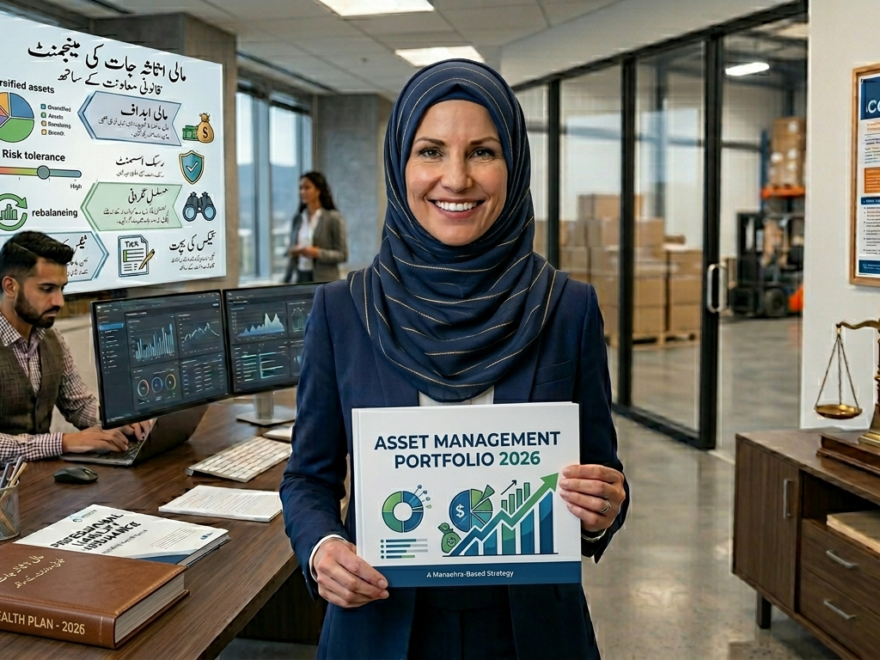
In today’s volatile economic landscape, earning money is only the first step toward financial freedom. The real challenge lies in preserving that capital and making it grow. Asset Management is a professional service that helps individuals and institutions manage their investments to reach specific financial goals while minimizing risks.
Whether it involves stocks, real estate, or digital assets, professional asset management ensures that your portfolio is working as hard as you do.
What is Asset Management?
At its core, asset management is the systematic process of developing, operating, maintaining, and selling assets in a cost-effective manner. Asset managers analyze market trends, economic shifts, and investment opportunities to build a diversified portfolio tailored to a client’s risk tolerance and long-term objectives.
Why is Asset Management Crucial?
Simply leaving your savings in a standard bank account often leads to a loss of purchasing power due to inflation. Professional asset management provides several key benefits:
- Risk Diversification: By spreading investments across different sectors (stocks, bonds, real estate), managers ensure that a decline in one area doesn’t wipe out your entire wealth.
- Strategic Growth: Expert managers identify high-growth opportunities that the average person might overlook.
- Tax Efficiency: Professional management helps structure investments in a way that minimizes legal tax liabilities, keeping more profit in your pocket.
- Retirement Security: It creates a sustainable financial roadmap that ensures a steady income stream long after you stop working.
Common Types of Managed Assets
A well-balanced portfolio typically includes a mix of the following:
- Equities (Stocks): Ownership shares in companies that offer high growth potential.
- Fixed Income (Bonds): Lending money to governments or corporations in exchange for regular interest payments.
- Real Estate: Investing in residential or commercial properties for rental income and appreciation.
- Cash Equivalents: Low-risk, liquid assets like money market funds for immediate needs.
- Alternative Investments: Commodities (Gold), Private Equity, and Digital Assets (Cryptocurrency).
The Asset Management Process
Achieving financial success follows a structured four-step cycle:
1. Goal Setting
The manager identifies the client’s “Why.” Is the goal to buy a home in 5 years, fund a child’s education, or build a massive retirement nest egg?
2. Risk Assessment
Every investor has a “risk appetite.” A younger investor might take bold risks for high rewards, while someone near retirement will prioritize safety and steady returns.
3. Portfolio Construction
Based on the goals and risk profile, the manager selects the right mix of assets to achieve the target return.
4. Continuous Monitoring
Markets change every day. Asset managers constantly review the portfolio and “rebalance” it to ensure it stays on track with the original goals.
Conclusion
Asset management is the bridge between having money and having a secure future. By leveraging professional expertise, you can navigate the complexities of the financial markets with confidence. Remember, the best time to start managing your assets was yesterday; the second best time is today.
Disclaimer: This article is for informational purposes only and does not constitute financial advice. Investment involves risk; always consult with a certified financial advisor before making major decisions.